


Have you ever wondered why the same perfume smells different on two people?
The answer lies within something fascinating — your body chemistry. Each person’s skin tells its own story, and when perfume touches it, the scent transforms in a way that’s beautifully unique. Understanding how your body chemistry, weather, and even time of day affect fragrance can help you choose a scent that truly belongs to you.

1. The Role of Body Chemistry in Perfume
Your body’s natural chemistry — including your skin type, pH level, and hormones — plays a major role in how a perfume develops after application. When perfume interacts with your skin’s warmth and oils, it changes slightly, creating your personal scent signature.
That’s why a perfume that smells warm and creamy on someone else may turn fresher or lighter on you.
This chemistry is what makes perfume so intimate — it’s not just something you wear, it becomes part of you.
2. How to Choose a Perfume That Matches Your Skin
Finding the right fragrance starts with understanding your skin type and how it reacts to different notes.
- Oily Skin:
Holds fragrance longer and deepens warm notes like amber, musk, or wood.
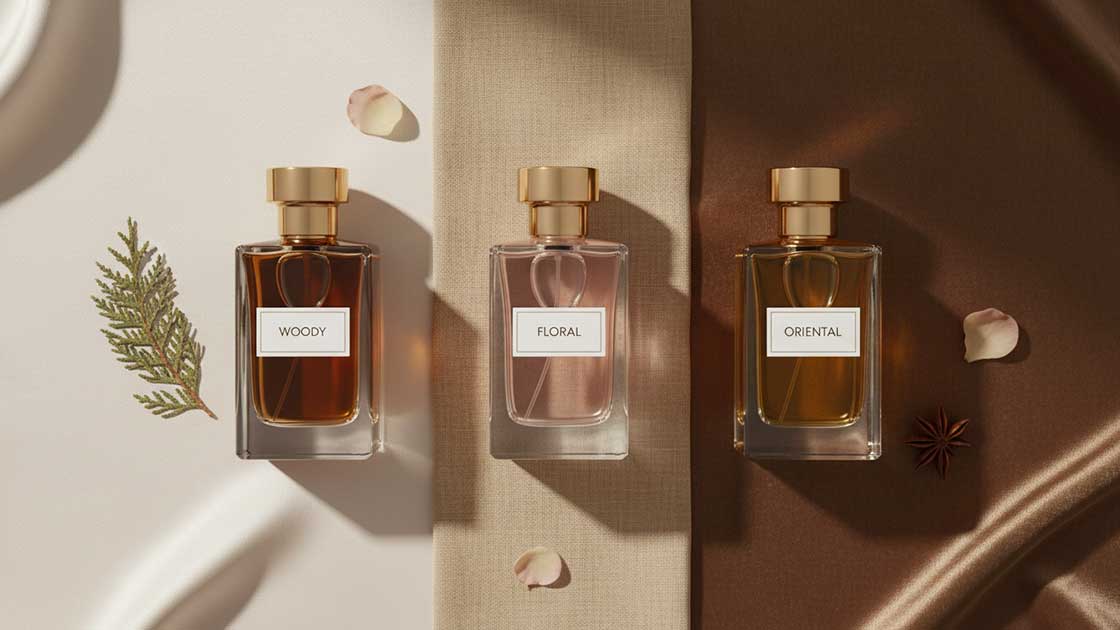
Best choice: Oriental, woody, or spicy scents. - Dry Skin:
Perfume tends to fade faster, so choose richer formulas such as Extrait de Parfum or oil-based blends.
Best choice: Floral amber or gourmand scents with creamy or sweet bases. - Neutral Skin:
Works well with balanced compositions — neither too strong nor too light.
Best choice: Fresh floral or citrus-woody blends.
Pro Tip: Always test perfume directly on your skin and wait for at least 20–30 minutes. The first spray shows the top notes, but your true scent appears only after the perfume settles — known as the dry down.
3. The Influence of Weather, Time, and Place
Your perfume’s performance depends on more than just your skin — your surroundings matter too.
Weather
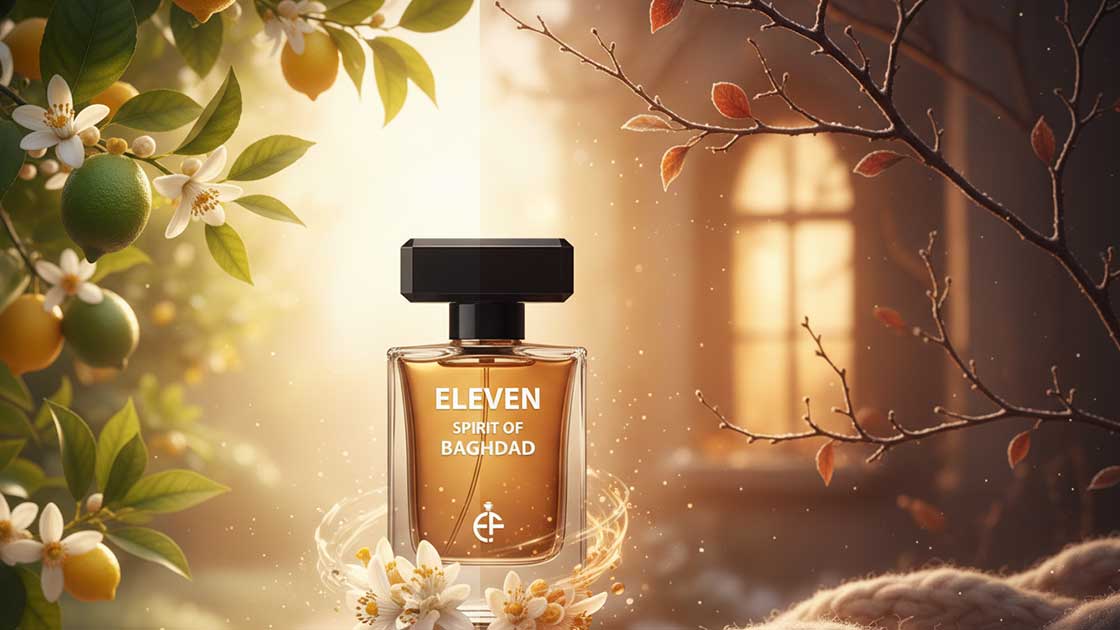
- Hot Weather: Choose light, refreshing perfumes with citrus, aquatic, or floral notes.
Heavy perfumes can feel overpowering in the heat.
Example: Lemon zest, bergamot, white jasmine. - Cold Weather: Go for deep, rich, and spicy compositions.
The cold air softens strong notes, letting them unfold slowly and luxuriously.
Example: Amber, oud, vanilla, leather.
Time of Day
- Daytime: Bright, clean, and uplifting perfumes create a fresh aura — perfect for work or casual wear.
- Nighttime: Warm, sensual, and long-lasting perfumes set the tone for evenings, events, or celebrations.
Place or Occasion
- Office or Everyday Use: Subtle and elegant scents that leave a light trail.
- Luxury Evenings or Gatherings: Stronger perfumes that carry depth and sophistication.
4. The Essence of Personal Scent
Perfume is more than a fragrance — it’s an expression of identity.
By understanding your body chemistry and how your perfume behaves in different conditions, you can select a scent that truly represents you.
When skin meets scent, a story begins — one that’s uniquely yours.
Conclusion
At Eleven Fragrance, we believe that true luxury lies in personal harmony.
Each perfume we create is designed to blend seamlessly with your body’s natural chemistry, revealing a scent that feels authentic, elegant, and timeless.
Because perfume is not just about how it smells — it’s about how it becomes you.